The Success Probability Index (SPI)
Its the biggest update to Feedback Informed Treatment (FIT) in two decades. In the beginning, all we had were the measures. Clinicians administered the outcome and session rating scales at each session and then compared client scores to the clinical cutoffs (CCO) and reliable change index (RCI) to determine whether ...
Read More
Read More
Simple, not Easy: Using the ORS and SRS Effectively
How difficult could it be? One scale to assess progress, a second to solicit the client's perception of the therapeutic relationship. Each containing four questions, administration typically takes between 30 to 60 seconds. Since first being developed 23 years ago, scores of randomized-controlled and naturalistic studies have found the ...
Read More
Read More
Do certain people respond better to specific forms of psychotherapy?
Dr. Danilo Moggia is a psychologist and researcher working at the University of Trier in Germany. Over the last several years, he's been devoted to studying how "machine learning" (ML) can be used to improve the fit and effect of mental health services. Wikipedia defines ML as, "an area ...
Read More
Read More
Thinking Out Loud
Type the title of this post into Google and you get 275 million results. Scroll through the pages and you'll find most are links to the hit song by Ed Sheeran -- videos, fan pages, or stories about the 100 million dollar copyright lawsuit filed by the estate of the ...
Read More
Read More
How “effortlessness” impedes professional development
I remember her. My very first, real client. Cynthia -- not her real name, her real name was Susan, but I'm not supposed to tell you that! (Just kidding, that wasn't her name either) Early thirties. Married. Couple of kids. Depressed. I was still a student, a therapist-in-training -- ...
Read More
Read More
Be careful what you wish for, or …
Despite happening decades ago, I remember it as though it were yesterday. My oldest, Kirk, was fiddling with a cassette tape recorder. He was four at the time and wanted to listen to "his music." You know, the kind all parents regret having given to their kids at some ...
Read More
Read More
Incentivising the use of FIT
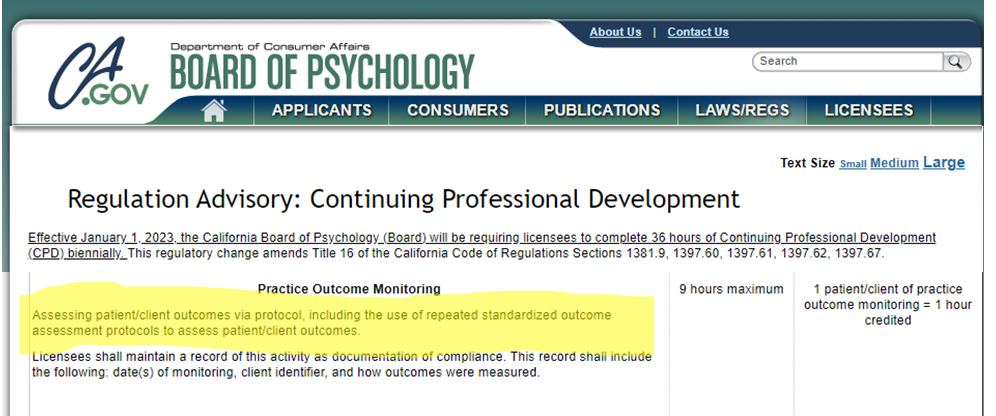
The evidence shows that using standardized measures to solicit feedback from clients regarding progress and their experience of the working relationship improves retention and outcome. How much? By 25% () And now, major news out of California. Psychologists -- who are required to earn 36 hours of continuing education ...
Read More
Read More
What “Near Death Experiences” (NDE’s) can teach us about effective therapeutic work
I never met my uncle Marc. He died decades before I was born. I did know him, however. His mother --my maternal grandmother -- made sure of that. One story has stayed with me from the first time I heard it. It was about the day he passed. He ...
Read More
Read More
Improving Outcomes for “at risk” Clients: The FIT “Alliance Stool”
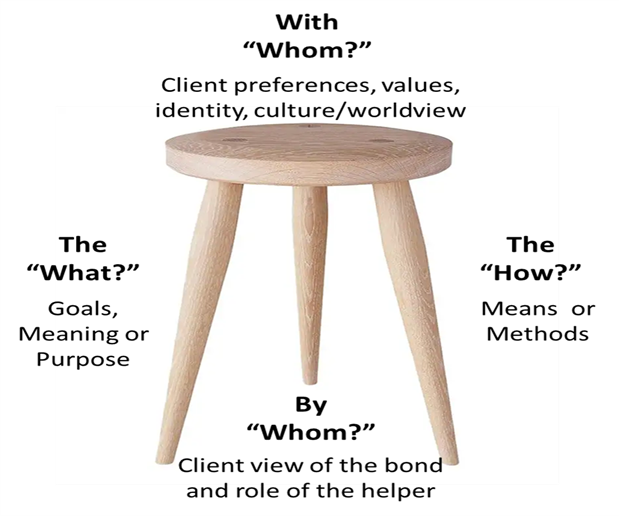
Decades of research shows the client’s experience of the relationship is one of the best predictors of their engagement and progress in care (). As such, when outcome and alliance data indicate a course of treatment is “at risk” for a negative or null outcome, or drop out, it ...
Read More
Read More
What causes a treatment approach to become popular?
"It is an uncomfortable fact," observes physician John Birkmeyer in Lancet, "that a patient's odds of undergoing surgery often depend more on where [they] live than on [their] clinical circumstances." Indeed, studies have consistently shown that the number of tonsillectomies, prostatectomies, hip replacements, hysterectomies, even days spent in hospital, ...
Read More
Read More
Red, yellow, green: What do these colors mean?
At first, we simply hand scored the measures. Next came an Excel® spreadsheet. It not only automated administration and scoring, but plotted progress from session to session on a graph. Purple represented the client's actual score. The blue, green, and red lines showed the 50th, 75th and 25 percentile, ...
Read More
Read More
Integrity versus Despair
I've never been enthusiastic about categories, whether aligning myself with a particular therapeutic approach or assigning a diagnostic label to a client. Any order achieved seemed to come at the expense of freedom and possibility. Lately, however, I've found myself feeling an affinity for a particular classification scheme. Maybe ...
Read More
Read More
Does FIT work with all clients?
It's a question that comes up at some point in most trainings on feedback-informed treatment (FIT): "Can I use FIT with all my clients?" Having encountered it many times, I now have a pretty good sense of the asker's concerns. Given our training as mental health professionals, we ...
Read More
Read More
Is the “50-minute hour” done for?
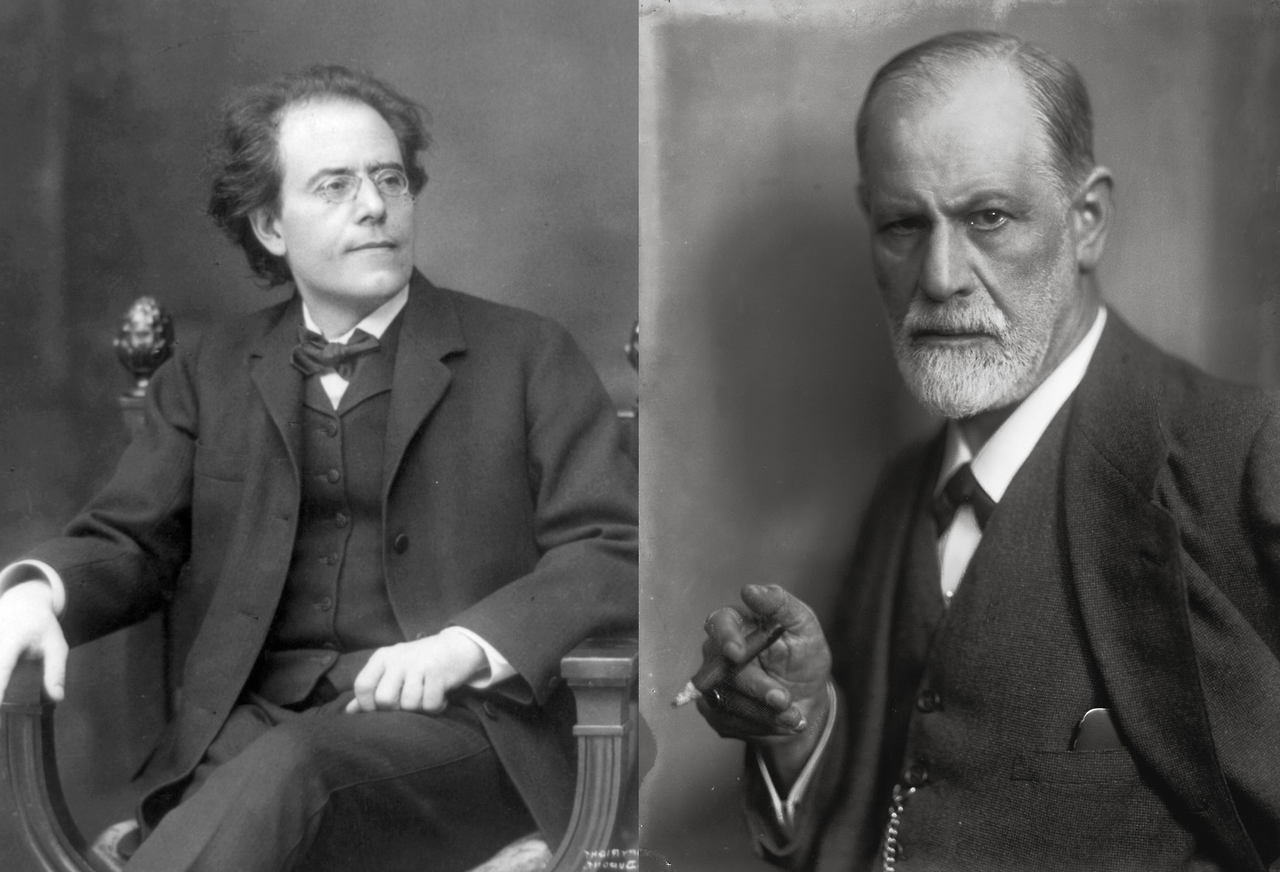
The date was August 26th, 1910. The place, Leyden, Holland -- better known as the "City of Discoveries" owing to its long scientific heritage. The people present were two giants of Viennese society, composer Gustav Mahler and psychoanalyst, Dr. Sigmund Freud. By the time of their meeting, the method ...
Read More
Read More
My most misunderstood FIT Tip
The data are clear: working feedback-informed improves both retention and effectiveness (). Studies further show FIT achieves these effects, in part, by improving responsiveness to the individual client -- particularly those at risk for a negative or null outcome or dropout from treatment (, ). Such positive results notwithstanding, what ...
Read More
Read More
Here’s a tip for ya’
Books, blogposts, interviews, and "how to" manuals ... Each covers a topic in a particular way. I honestly love them all. That said, despite the massive amount of information available to practitioners interested in FIT and deliberate practice, certain questions pop up time and again. At some point along ...
Read More
Read More